


MiniMax H3 —
AI Video Generator with Native Audio
Create an AI video from a written scene or a reference image, then shape motion, dialogue, ambience, and visual continuity in one workflow. Reported pre-release capabilities include short 5–15 second clips, native stereo audio, flexible references, and instruction-based edits. Try the generator with free starting credits.
Native Stereo Audio
Reported 5–15s Video
Text + Image Inputs
Free to Start
MiniMax H3 Video Examples & Prompts
Preview source-verified official samples and a credited creator showcase, then open each watch page for provenance, prompt status, and analysis.
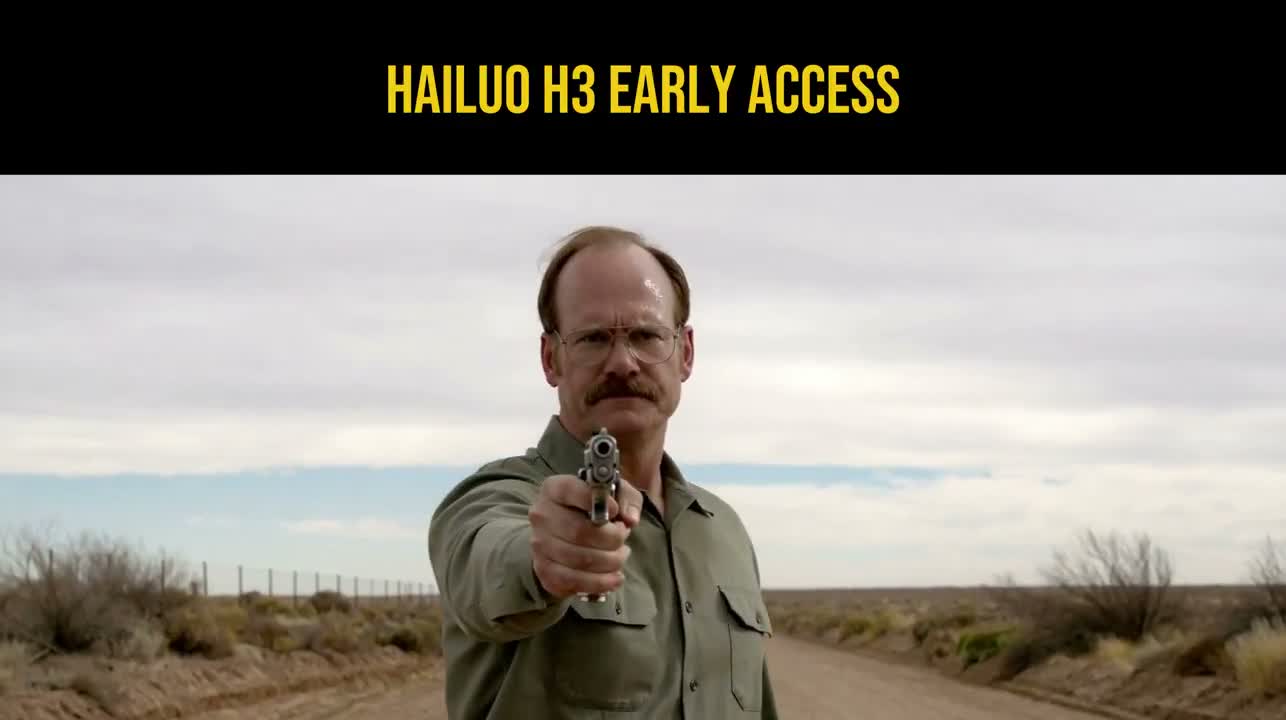
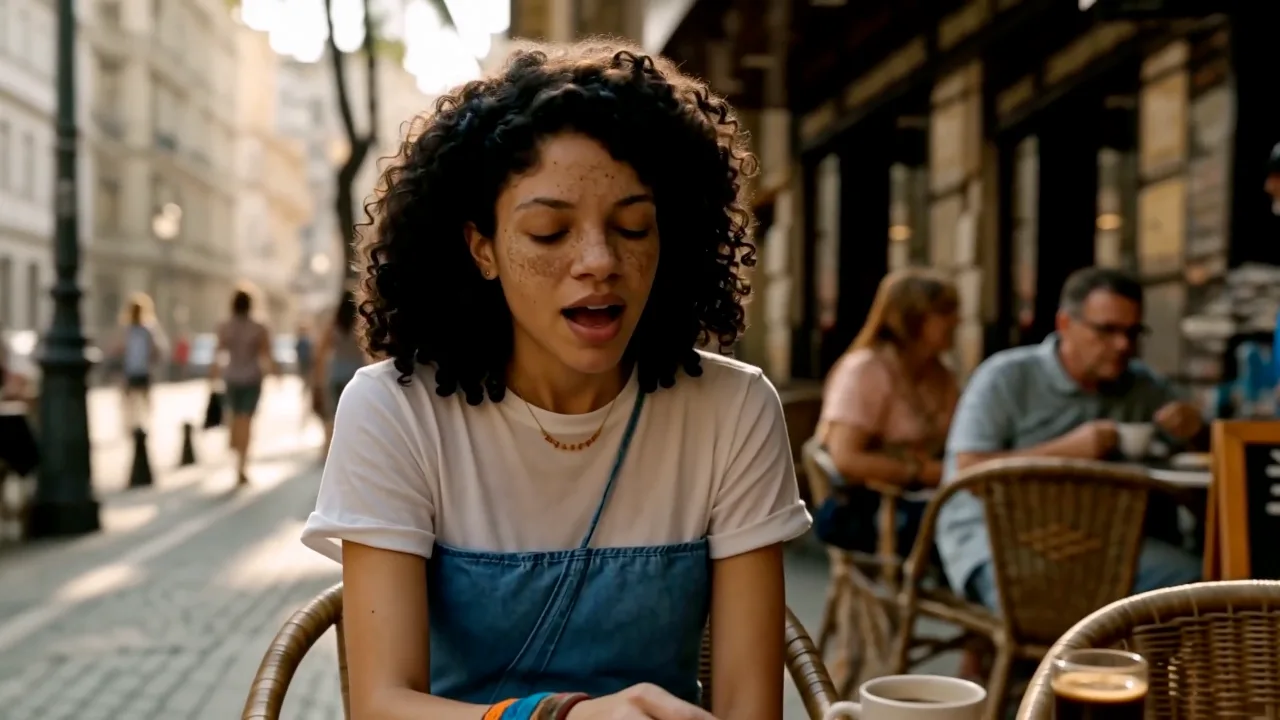
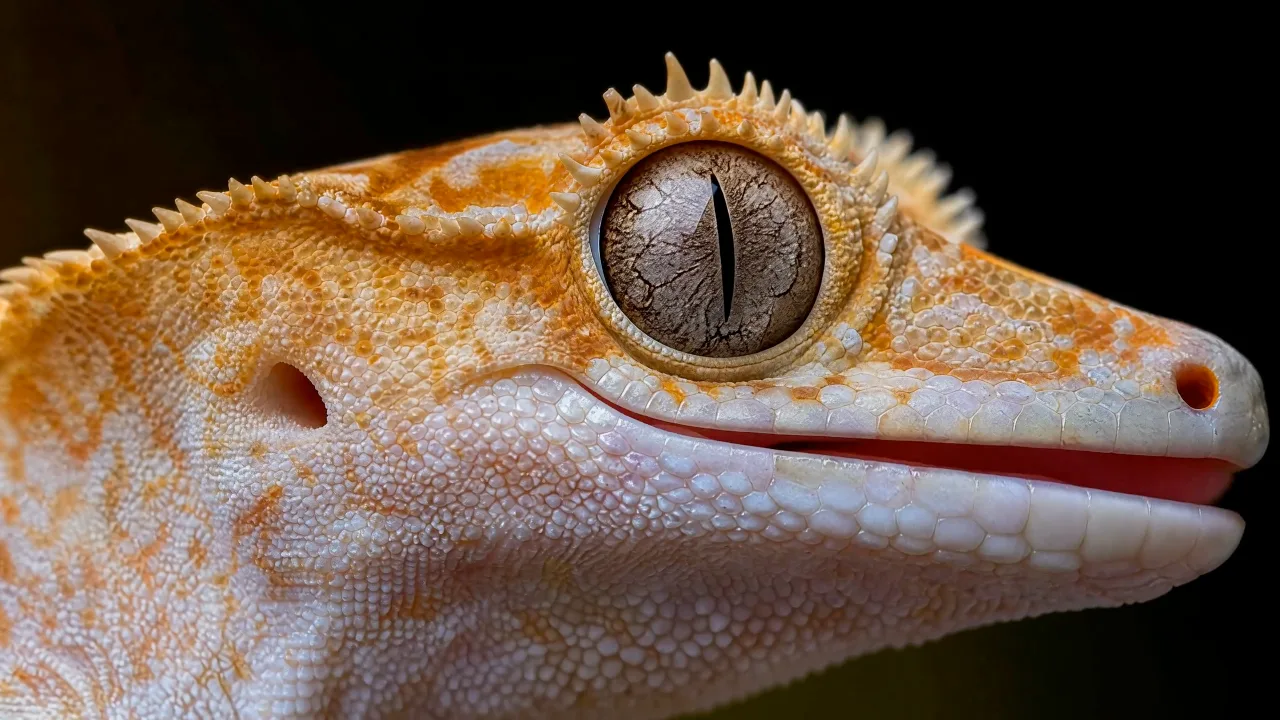
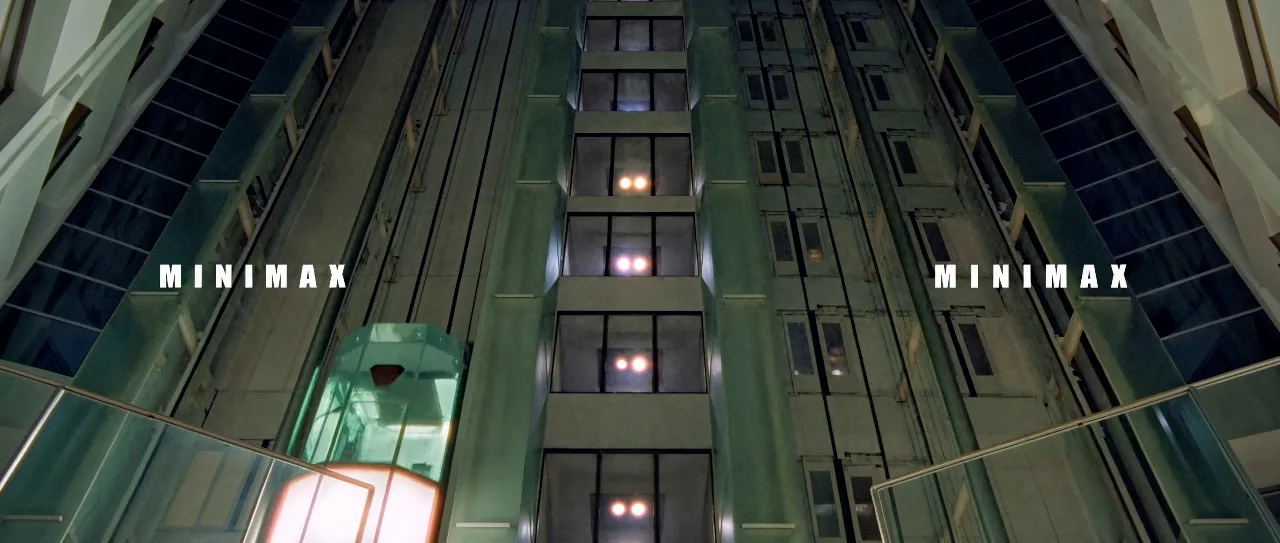
MiniMax H3 Text to Video & Image to Video
MiniMax H3 Text to Video
Describe a complete shot in natural language: subject, setting, action, camera, lighting, pacing, dialogue, and ambience. MiniMax H3 text-to-video turns that direction into a short cinematic sequence instead of assembling stills, motion, and sound in separate apps. Reported MiniMax H3 controls then refine characters, objects, backgrounds, and spoken lines.
MiniMax H3 Image to Video
Upload a still image to define composition, character, product, or the first frame. MiniMax H3 image-to-video adds camera and subject motion while using the source as a visual anchor. It is useful when a team already has approved artwork, a storyboard frame, or a product photo and wants motion without losing the original direction.
Build the Prompt Around a Shot
Strong results start with clear hierarchy: name the main subject first, then movement, environment, framing, lighting, sound, and the intended ending. The reported MiniMax H3 prompt limit of 7,000 characters leaves room for continuity notes, but concise direction is easier to revise. Start with one controlled scene before expanding into a multi-shot sequence.
Guide Identity with References
Reference media can communicate details that are awkward to repeat in prose: a face, outfit, location, voice, rhythm, or camera language. Reported omni-reference support covers images, video, and audio, giving the generated clip more context for consistency. Use only references you have permission to upload, and keep the most important identity cue visually clear.
Review Motion and Sound Together
Evaluate a generated clip as a connected audiovisual result. Check whether the subject stays recognizable, actions complete cleanly, lip movement matches dialogue, sound effects land at the right moment, and the final frame supports the next edit. If one element fails, revise that instruction rather than rewriting every successful part of the prompt.
MiniMax H3 Features: Native Audio, Omni-Reference & Editing
The reported pre-release feature set focuses on creating a coherent video from mixed creative inputs, then refining specific parts without restarting the entire concept.
Native Stereo Audio & Lip Sync
MiniMax H3 is reported to generate stereo sound with the picture: dialogue, ambience, music, and timed effects. Native generation reduces the mismatch of adding audio after rendering, while lip sync and reported voice-timbre transfer help spoken scenes feel connected. These MiniMax H3 capabilities are pre-release and may vary by provider, prompt, and language.
Omni-Reference
MiniMax H3 omni-reference reportedly accepts up to nine images, three videos, and three audio files (12 combined). Use images for identity and art direction, video for movement, and audio for voice or atmosphere. More files do not mean a better result; pick references that reinforce one clear MiniMax H3 video concept.
Instruction-Based Editing
MiniMax H3 instruction-based editing reportedly targets characters, objects, backgrounds, effects, and dialogue. Instead of describing the whole scene again, ask for a bounded change: new weather, a slower camera, one replaced prop, or a rewritten line. This keeps the useful parts of a generation while focusing review on the element that needs fixing.
Use cases
MiniMax H3 Use Cases
The model can support compact production tasks where a visual reference, motion direction, and sound concept need to stay connected. Begin with short, reviewable shots and treat reported pre-release limits as a testing envelope rather than a delivery guarantee.
Content Creators & Social Media
Create short social concepts, talking-character tests, product teasers, and visual hooks from a written brief. Native audio can establish dialogue or atmosphere during ideation, while an image reference can hold a recognizable host, mascot, or art direction. Exported results should still be reviewed for timing, claims, captions, rights, and platform-specific requirements before publication.
Marketing Teams & E-Commerce
Turn approved product photography or campaign key art into motion studies before commissioning a full shoot. A generated video can test camera movement, pacing, sound design, and localized dialogue, helping stakeholders compare directions quickly. Keep packaging text and factual product claims under human review, because generative details can drift between frames.
Filmmakers & Studios
Use MiniMax H3 for previsualization, mood pieces, transition tests, and shot blocking. Reference types can carry wardrobe, location, camera language, performance rhythm, and a temporary sound bed. The reported 5–15 second MiniMax H3 range suits testing one dramatic beat before an editor combines approved shots.
Developers & API Integration
Prototype generator interfaces, creative review queues, prompt libraries, and media-management workflows around short audiovisual outputs. Provider APIs and model identifiers may differ during pre-release, so developers should validate authentication, rate limits, safety behavior, file constraints, and actual output settings before treating any integration as production-ready.
What Is MiniMax H3 (Hailuo 3)?
MiniMax H3 is a reported next-generation multimodal AI video model, also searched as Hailuo 3 and MiniMax 3. In MiniMax H3, one prompt can define subject, action, camera, style, dialogue, and sound, while reference files preserve identity and direction. That makes MiniMax H3 useful for text-to-video and image-to-video without rebuilding the same scene across disconnected tools.
Because MiniMax H3 is pre-release, every number here is reported, not officially confirmed. The conservative MiniMax H3 profile: up to 1440p at 24 FPS, 5–15 second clips, native stereo audio, and prompts up to 7,000 characters. Reported MiniMax H3 omni-reference accepts up to nine images, three videos, and three audio files (12 combined). MiniMax H3 is the video model, not the MiniMax M3 language model, and not Tencent Hy3.
MiniMax H3 Specs (Reported)
Status
Reported pre-release
Resolution & frame rate
Reported 1440p · 24 FPS
Clip duration
Reported 5–15 seconds
Audio
Reported native stereo
Omni-reference
Up to 12 total files
Prompt length
Reported up to 7,000 characters
MiniMax H3 vs Hailuo 2.3, Sora 2 & Veo
This is a planning snapshot, not a benchmark. MiniMax H3 is positioned around reported native stereo audio, omni-reference, and targeted editing; Hailuo 2.3 is an earlier generation in the same family, while Sora 2 and Veo follow their own roadmaps. Test the exact MiniMax H3 workflow and account tier before committing.
| Feature | MiniMax H3 | Hailuo 2.3 | Sora 2 | Veo |
|---|---|---|---|---|
| Native Audio | Reported | Available | Available | Available |
| Reported Clip Length | Reported 5–15s | Varies | Varies | Varies |
| Native Stereo Audio | Reported | Provider dependent | Available | Available |
| Omni-Reference | Reported | Limited | Provider dependent | Supported |
| Instruction Editing | Reported | Limited | Provider dependent | Supported |
| Image Reference Input | Reported | Available | Provider dependent | Available |
| Prompt Capacity | Up to 7,000 chars | Provider dependent | Provider dependent | Provider dependent |
| Resolution Claim | Reported 1440p | Varies | Varies | Varies |
| API Access | Pre-release / provider | Available | Available | Available |
| Free Tier | Free to start | Provider dependent | Varies | Varies |
Choose by production need, not a single headline spec. MiniMax H3 is attractive when mixed references, generated sound, and precise follow-up edits matter. Hailuo 2.3 may suit teams that prefer an established earlier workflow, while Sora 2 and Veo fit their own platforms. All MiniMax H3 figures here are reported pre-release values, so confirm current limits in the generator before committing a budget.
MiniMax H3 Cinematic Scenes
Five cinematic scenes created by Alex Patrascu with MiniMax H3 demonstrate 15-second shots, dialogue, camera direction, and native audio. Play the full collection to compare storytelling and consistency across prompts.
Creator example: Alex Patrascu (@maxescu) · Source: XMiniMax H3 Pricing
Start with free credits, then choose a subscription or one-time credit pack when you need more video generations. Every option shows its credit allowance before checkout, so you can compare the likely cost of testing prompts, animating reference images, and producing finished clips without a long-term commitment.
Choose Subscription Plan
Basic
Perfect for individuals and light users
Billed annually at $90.00
Save 50%INCLUDES
- 300 credits / month
- ~75 AI images
- ~150 fast AI images
- ~60 AI images (max quality)
- ~37 pro stills
- ~21 seconds of AI video
- ~37 AI video clips
Pro
For professional creators and teams
Billed annually at $234.00
Save 50%INCLUDES
- 1600 credits / month
- ~400 AI images
- ~800 fast AI images
- ~320 AI images (max quality)
- ~200 pro stills
- ~114 seconds of AI video
- ~200 AI video clips
Max
Designed for large enterprises and professional studios
Billed annually at $960.00
Save 50%INCLUDES
- 9200 credits / month
- ~2300 AI images
- ~4600 fast AI images
- ~1840 AI images (max quality)
- ~1150 pro stills
- ~657 seconds of AI video
- ~1150 AI video clips
To cancel your subscription, please contact support: support@minimax3.com
MiniMax H3 FAQ
Plain answers about naming, reported specifications, references, model confusion, pricing, and this independent tool.
Start Creating with MiniMax H3
Begin with one clear scene, choose MiniMax H3 text-to-video or image-to-video, and judge the visuals and native audio together. Free starting credits let you test the MiniMax H3 workflow before a larger plan. Reported specs may change, so confirm the generator settings for each run.